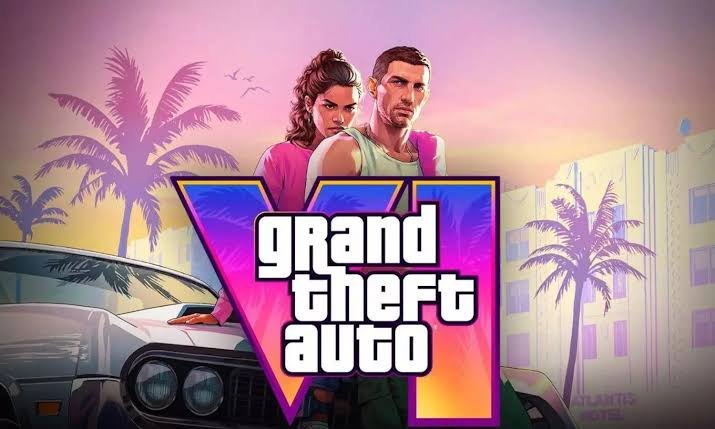
The long-awaited release of Grand Theft Auto VI is finally approaching, and its potential influence may extend well beyond the traditional video game industry. With Rockstar Games preparing to launch GTA 6 on November 19, 2026, attention is turning to how one of the most anticipated entertainment releases in history could affect other competitive gaming activities, including online and live poker.
At first glance, GTA 6 and poker might appear to have little in common. One is an open-world action-adventure game built around exploration, storytelling, and criminal activity, while the other is a strategy-driven card game involving probability, psychology, and decision-making. However, both compete for something increasingly valuable in modern entertainment: players' time and attention.
The impact of GTA 6 on online and live poker could become particularly noticeable during the initial weeks following its release. Online poker platforms may face competition for recreational players, while traditional poker rooms could experience changes in how younger audiences spend their leisure time.
There is also another possibility. Rockstar's history of introducing casino-style activities into its virtual worlds raises questions about whether GTA 6 could eventually encourage greater interest in poker itself.
With the release just around the corner, the relationship between GTA 6 and the poker industry presents an intriguing combination of competition, opportunity, and uncertainty.
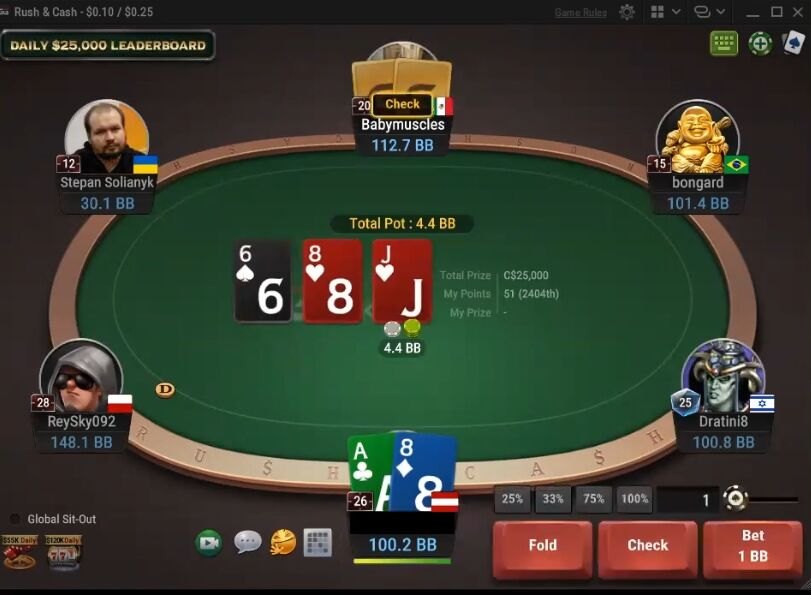
GTA 6 Could Create a New Challenge for Online Poker Traffic
One of the most immediate concerns surrounding the GTA 6 release is its potential effect on online poker traffic, particularly among casual and recreational players.
Unlike professional poker players who approach the game as a primary source of income, recreational players often divide their free time between multiple entertainment activities. Video games, streaming platforms, sports, and online poker all compete for the same evening and weekend hours.
A major release such as GTA 6 could temporarily change those priorities.
Rockstar Games has spent years developing a new version of Vice City and the surrounding fictional state of Leonida. The game's enormous open world, detailed environments, and extensive storyline are expected to encourage long gaming sessions as players explore its content.
That level of engagement could have consequences for online poker operators.
Recreational players frequently contribute to the overall health of poker ecosystems by participating in low-stakes cash games, smaller tournaments, and occasional weekend sessions. If some of those players temporarily switch their attention to GTA 6, poker platforms could experience changes in activity during certain periods.
The impact would not necessarily be dramatic across the entire industry. Dedicated poker professionals are unlikely to abandon profitable games simply because a new video game becomes available. However, even relatively modest changes in recreational participation can affect the dynamics of individual poker tables.
There is also an important difference between mobile and console gaming.
GTA 6 is initially launching on PlayStation 5 and Xbox Series X|S, whereas online poker is accessible through computers and smartphones in regulated markets. Players who regularly enjoy poker during commutes, lunch breaks, or other short periods may continue their routines regardless of the new release.
Consequently, any reduction in online poker participation may be concentrated among players who normally dedicate longer uninterrupted sessions to poker.
For now, there is no evidence that GTA 6 has caused a decline in poker activity. Nevertheless, its arrival creates an unusual opportunity to observe how a blockbuster entertainment release influences participation in an established online gaming market.
Online Poker Tournaments and Cash Games Could Feel Different Effects
Although online poker traffic is often discussed as a single measurement, different poker formats could respond differently to the GTA 6 launch.
Cash games operate continuously, allowing players to join and leave whenever they choose. This flexibility makes them particularly sensitive to changes in recreational gaming habits.
Someone who normally plays two hours of low-stakes Texas Hold'em after work might instead spend that evening exploring Vice City. Multiply that decision across a large group of casual players, and the availability of certain cash-game tables could change.
Tournament poker presents a different situation.
Scheduled online poker tournaments require players to commit to a specific starting time, often with the possibility of several hours of play. Recreational players who have already planned an evening around GTA 6 might be less inclined to register for lengthy tournaments.
For operators offering guaranteed prize pools, registration numbers are especially important. A guaranteed tournament must meet its advertised prize commitment even when player buy-ins do not fully cover that amount.
If participation falls below expectations, operators can face additional costs through tournament overlays.
However, there is no reliable basis for predicting whether GTA 6 will produce such an effect or how large it might be. Any meaningful conclusion would require actual tournament registration figures and cash-game activity data after release.
The situation could also create unexpected opportunities.
Poker platforms might experiment with different tournament schedules, shorter formats, or promotional campaigns designed to accommodate changing entertainment habits. Fast-fold cash games and quicker tournaments could appeal to players who want a brief poker session without committing their entire evening.
There is also the question of player composition.
If recreational players temporarily become less active while experienced regulars maintain their schedules, some games could become more competitive. Conversely, players who remain active during quieter periods might encounter different table availability and tournament structures.
The broader online gambling market demonstrates just how established digital participation has become. According to the UK Gambling Commission's 2026 participation statistics, 39% of surveyed adults reported participating in online gambling during the previous four weeks, although that figure includes lottery participation and is not specific to poker.
The important question is not whether GTA 6 can replace online poker. It is whether a major entertainment event can temporarily influence when, where, and how recreational poker players choose to participate.
Could GTA 6 Bring Poker and Casino Games Into the Spotlight?
Perhaps the most interesting connection between GTA 6 and poker comes from Rockstar Games' previous approach to casino entertainment.
In 2019, GTA Online introduced the Diamond Casino & Resort, allowing players to participate in several virtual casino activities, including blackjack, roulette, slot machines, and Three Card Poker.
The Diamond Casino demonstrated that casino-style gaming could become part of a much larger open-world entertainment experience.
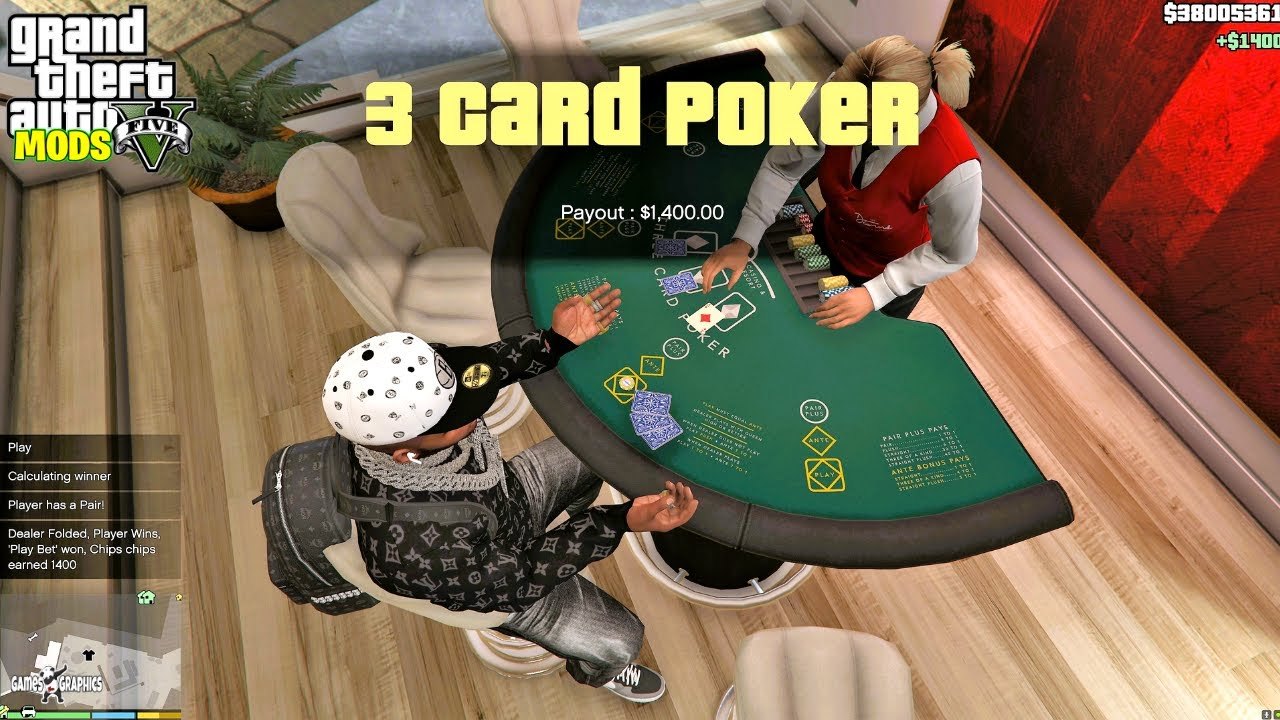
Three Card Poker, however, is different from traditional Texas Hold'em. It is generally played against the house rather than against other players, meaning it does not reproduce the same competitive environment found in conventional poker rooms.
This distinction matters when considering how GTA 6 might influence poker participation.
As of November 18, 2026, Rockstar Games has not officially confirmed a playable poker feature or a dedicated casino system for GTA 6. The company has described the November 19 release as a single-player experience, and no new GTA 6 multiplayer poker offering has been announced.
Any suggestion that GTA 6 will introduce fully functioning Texas Hold'em tables, multiplayer poker tournaments, or a new virtual casino should therefore be treated as speculation.
Nevertheless, the possibility remains an interesting subject for the future.
If Rockstar eventually expands GTA 6 with casino activities, simulated poker could offer an accessible introduction to basic card-game concepts for players who have never visited a physical poker room.
Virtual gaming environments can make unfamiliar activities feel less intimidating. Players may be more willing to experiment with a card game when it appears as one optional activity within a familiar entertainment experience.
That does not mean simulated casino gaming automatically leads to real-money poker participation. The two experiences involve different motivations, financial risks, and legal requirements.
Regulatory considerations could also shape any future casino features.
Gambling-related activities in GTA Online have previously faced regional restrictions, demonstrating that simulated casino mechanics can raise legal questions even when winnings cannot be withdrawn as real money.
For poker operators, the potential significance lies less in direct competition from a fictional casino and more in the possibility of a major video game introducing card-game terminology and mechanics to a broad entertainment audience.
Whether Rockstar chooses to explore that possibility remains unknown.
GTA 6 Could Introduce Poker to a Younger Digital Audience
Beyond the immediate competition for existing players, GTA 6 could indirectly influence how new audiences discover poker.
Modern poker increasingly exists within a wider digital entertainment culture. Poker streams, short-form videos, online communities, and gaming personalities have helped make the game accessible to people who may never have watched a traditional televised tournament.
GTA 6 is positioned to attract substantial attention across many of those same platforms.
Content creators who normally focus on poker may choose to experiment with GTA 6 coverage, while mainstream gaming streamers could eventually encounter poker-related activities or discuss card-game strategies with their audiences.
These connections could create opportunities for poker to reach viewers who would not otherwise seek out poker content.
However, exposure alone does not guarantee participation.
Poker requires players to understand hand rankings, betting structures, position, probability, and decision-making under uncertainty. The experience is considerably different from completing missions or exploring an open-world video game.
For that reason, any crossover would likely depend on how effectively poker is presented as an entertaining and intellectually engaging activity rather than simply another form of gambling.
Interestingly, GTA 6's publisher already has a direct connection to the social poker market.
Take-Two Interactive, the parent company of Rockstar Games, also owns Zynga, whose portfolio includes the popular free-to-play game Zynga Poker. The company identified Zynga Poker among its important contributors in its November 2026 financial results.
This creates an unusual overlap between the businesses behind one of gaming's biggest franchises and an established social poker product.
There has been no announcement of a GTA 6 and Zynga Poker collaboration, and the shared corporate ownership should not be interpreted as evidence that one is planned.
Still, it illustrates how traditional video games and digital card games increasingly operate within the same larger entertainment industry.
One potential long-term outcome is that players who discover an interest in strategy-based card games through virtual experiences may eventually explore free-to-play poker or, where legally permitted and age-appropriate, regulated real-money poker.
Such a transition would be gradual rather than immediate.
The distinction between simulated gaming and real-money gambling would remain essential, particularly regarding age restrictions, responsible gambling safeguards, and the financial consequences of participation.
Ultimately, GTA 6 could prove more relevant to poker as a source of cultural exposure than as a direct competitor offering a similar product.
Live Poker Rooms May Be More Resistant to GTA 6's Influence
While online poker operators may be sensitive to changing screen-time habits, the impact of GTA 6 on live poker could follow a different pattern.
Physical poker rooms offer an experience that cannot be fully reproduced through a console or mobile device.
Players travel to casinos, interact face-to-face with opponents, interpret physical behavior, and participate in an atmosphere built around competition and social interaction.
For many recreational players, attending a live poker game is not simply a substitute for spending an evening at home. It is a planned social activity.
That distinction could make live poker more resilient to competition from GTA 6.
Regular casino visitors and committed tournament players are unlikely to cancel significant poker plans solely because a new video game is available. Larger events also involve travel arrangements, accommodation bookings, and financial commitments made well in advance.
The strength of the live poker market was evident earlier this year.
The 2026 World Series of Poker Main Event attracted 9,208 entries. The tournament concluded in August with Lucas Jumalon winning the championship and its $10 million first-place prize.
Such events demonstrate that live poker continues to attract players seeking experiences that extend beyond digital entertainment.
Nevertheless, smaller local poker rooms may face a different challenge.
Casual players who typically visit a casino once or twice a month could be more flexible about their plans. During the initial excitement surrounding GTA 6, some may prefer a weekend of gaming at home rather than visiting a poker room.
For venues relying heavily on spontaneous recreational attendance, even temporary changes in customer behavior could influence individual sessions.
The geographical connection between GTA 6 and live poker also presents an interesting possibility.
The game returns players to Vice City, a fictional location inspired by Miami, Florida. Miami and the surrounding South Florida region already have an established casino and poker scene.
The renewed attention surrounding Vice City's atmosphere could increase broader interest in Miami-inspired entertainment, nightlife, and tourism.
However, connecting that interest directly to increased attendance at Florida poker rooms would require evidence that does not currently exist.
Live poker venues may eventually find opportunities to engage with the cultural excitement around the game through appropriately licensed entertainment promotions or events.
At present, the more realistic expectation is that established tournaments will continue largely unaffected, while smaller recreational games may experience temporary changes in attendance.
The Long-Term Impact of GTA 6 on Poker Could Be About Attention, Not Competition
The most significant influence of GTA 6 on the poker industry may ultimately have less to do with its gameplay and more to do with how entertainment audiences allocate their attention.
Online poker has already adapted to major changes in digital entertainment habits.
The rise of mobile gaming, streaming services, social platforms, and increasingly sophisticated multiplayer games has created a crowded marketplace in which attracting players is only part of the challenge. Keeping them engaged over time is equally important.
GTA 6 represents another major competitor for that attention, but its impact may unfold in several stages.

The first stage is likely to involve intense interest in the game's storyline, characters, and open world. During this period, some recreational poker players may temporarily reduce the time they spend at online tables.
The second stage could involve the growth of GTA 6-related communities, streaming content, and discussions as players begin sharing their experiences.
This is where the relationship with poker could become more complicated.
Poker content creators may face competition for viewership, particularly when major gaming personalities are producing GTA 6 videos and livestreams. At the same time, creators with audiences interested in both activities could experiment with crossover content.
A third stage may emerge if Rockstar expands the game with multiplayer features or additional virtual activities.
However, no separate GTA 6 multiplayer release date has been officially confirmed, and the company has not announced poker functionality for such an experience.
That uncertainty makes aggressive predictions premature.
For poker businesses, the practical response may be to focus on the features that distinguish their products from mainstream video games.
Poker offers competition against human opponents, evolving strategies, social communities, and the possibility of improving through study and experience. Live poker adds the atmosphere and human interaction of physical events.
Those characteristics give the industry a distinct identity, even in an entertainment market increasingly dominated by large-budget video games.
A sensible measure of GTA 6's effect would involve comparing online poker traffic, tournament registrations, and live poker attendance before and after its release while accounting for seasonal patterns, promotional changes, and other market influences.
A temporary decline in activity would not necessarily indicate a lasting loss of interest. Similarly, an increase in poker-related searches following GTA 6's release would not prove that the game had created new players.
Both developments would require careful interpretation.
The broader question is whether poker can continue to compete for the attention of audiences who have more entertainment choices than ever before.
For now, GTA 6 is more likely to create a short-term disruption in recreational poker habits than a fundamental transformation of the industry.
Online poker could experience changes in participation as players explore Rockstar's latest release, while live poker may remain comparatively stable because of its social and competitive appeal.
Over the longer term, the possibility of increased interest in virtual card games, social poker, and gaming-related content could present opportunities that are difficult to measure today.
The arrival of GTA 6 is therefore not necessarily a threat to poker. It is a reminder that the industry operates within a much larger entertainment economy, where player attention is constantly being contested.
As GTA 6 prepares to launch, the question is no longer simply whether poker players will spend time in Vice City. It is whether the poker industry can turn the attention surrounding one of gaming's biggest releases into an opportunity for continued engagement and future growth.
We also have an article breaking down online leaderboard grind, and how to extract max from the grind, read it here.