The cryptocurrency industry has been shaken by one of the largest security breaches in financial history after Binance, the world's biggest cryptocurrency exchange by trading volume, suffered a devastating cyberattack involving billions of dollars in digital assets.
Early reports suggested that hackers had stolen more than $5.6 billion from Binance-linked wallets. However, subsequent investigations have placed the estimated impact at approximately $6.3 billion, potentially making it the biggest cryptocurrency hack ever recorded.
Among the stolen assets was approximately $1.45 billion worth of Bitcoin, alongside substantial amounts of Ethereum, Tether (USDT), USD Coin (USDC), and other cryptocurrencies. Binance has confirmed that around $3 billion in affected assets have been frozen, although the final amount that can be recovered remains uncertain.
While the immediate consequences have been felt across cryptocurrency markets, the attack could also create significant challenges for the online poker industry, particularly for operators and players who rely on Bitcoin and other digital currencies for deposits, withdrawals, and bankroll management.
With cryptocurrency becoming an increasingly important payment method at online poker sites, the Binance hack raises urgent questions about payment security, withdrawal reliability, Bitcoin price volatility, and the future of crypto poker.
Although there is currently no verified evidence that online poker platforms themselves were compromised by this attack, the consequences for players who depend on cryptocurrency exchanges could be substantial.
Binance Hack Explained: How More Than $5.6 Billion Was Stolen
The security breach emerged on October 29, 2026, when blockchain analysts began identifying unusually large transfers from cryptocurrency wallets associated with Binance.
Initial blockchain investigations suggested that approximately $5.57 billion had moved from Binance-linked wallets across several blockchain networks. As investigators expanded their analysis, the estimated value of the affected cryptocurrency increased to approximately $6.3 billion.
According to an official Binance security update, the company's preliminary investigation suggests that attackers may have compromised a laptop belonging to a DevOps engineer.
The compromised device may have enabled unauthorized access to internal infrastructure, allowing attackers to submit withdrawal transactions through Binance's systems.
Importantly, Binance said investigators had not discovered evidence that wallet private keys had been leaked. The company has promised to publish a detailed technical investigation once the full circumstances are established.
Following the attack, Binance temporarily suspended deposits and withdrawals while implementing additional security checks. The exchange also began cooperating with blockchain intelligence companies, cryptocurrency issuers, and law enforcement agencies to identify the perpetrators and recover stolen assets.
Stablecoin issuers including Tether and Circle responded by freezing substantial amounts of cryptocurrency associated with suspicious addresses.
Binance subsequently reported that approximately $3 billion in affected assets had been frozen, reducing the amount potentially accessible to the attackers. However, frozen cryptocurrency should not automatically be considered recovered funds, and the final financial losses remain subject to investigation.
The company has pledged to compensate affected customers using its Secure Asset Fund for Users, commonly known as SAFU, alongside additional corporate resources.
Blockchain intelligence companies TRM Labs and Chainalysis have also linked the attack with high confidence to North Korea-associated cybercriminal activity, although the investigation is continuing.
The breach dramatically exceeds the approximately $1.5 billion stolen from cryptocurrency exchange Bybit in February 2025, which the FBI attributed to North Korean hackers.
For the broader cryptocurrency industry, the incident represents another major challenge to confidence in centralized exchanges.
For online poker, the timing is particularly concerning because digital currencies have become an established way for many players to transfer money between exchanges, personal wallets, and poker platforms.
Why the $1.45 Billion Bitcoin Theft Matters for Online Poker
One of the most significant elements of the Binance breach involves the theft of a substantial quantity of Bitcoin.
Early blockchain estimates indicated that approximately 17,985 BTC, valued at around $1.45 billion at the time, had been transferred from Binance. Subsequent tracking identified roughly 18,270 BTC associated with the attack.
The distinction matters because Bitcoin operates differently from stablecoins such as USDT and USDC.
Stablecoin issuers can sometimes freeze tokens held at identified blockchain addresses, preventing the assets from being transferred. Bitcoin, however, does not have a central issuer capable of imposing the same type of blockchain-level freeze.
As a result, recovering stolen Bitcoin can be significantly more complicated.
This creates an important concern for the online poker industry, where Bitcoin remains one of the best-known cryptocurrency payment methods.
Platforms such as ACR Poker allow customers to make Bitcoin deposits and request cryptocurrency withdrawals. Meanwhile, crypto-focused platforms such as CoinPoker support several digital assets, including Bitcoin, Ethereum, USDT, and USDC.
For poker players, cryptocurrency offers practical advantages, including international transfers and access to payment methods that may not be available through traditional banking channels.
However, the Binance attack demonstrates that these benefits can come with exposure to third-party financial infrastructure.
A poker player holding Bitcoin directly in a personal wallet is in a different position from someone storing their entire bankroll on Binance. Similarly, a poker operator processing payments independently is not necessarily exposed to the exchange simply because it accepts cryptocurrency.
Nevertheless, if players depend on Binance to purchase Bitcoin, convert poker winnings into fiat currency, or transfer funds between wallets, disruptions at the exchange can interrupt their normal financial activity.
The immediate threat to online poker is therefore not necessarily a direct loss of poker funds. Instead, it is the possibility that a major cryptocurrency exchange failure could interfere with the payment systems surrounding the game.
This distinction could become increasingly important as the online poker industry continues expanding its cryptocurrency payment options.
Immediate Impact on Online Poker Deposits, Withdrawals and Player Bankrolls
The short-term consequences of the Binance hack are likely to be felt most directly by online poker players using the exchange to manage their cryptocurrency.
Binance's temporary withdrawal suspension means customers relying on the platform may be unable to transfer funds to external cryptocurrency wallets until the relevant services are restored.
For recreational poker players, this might mean postponing a deposit or waiting before joining a tournament.
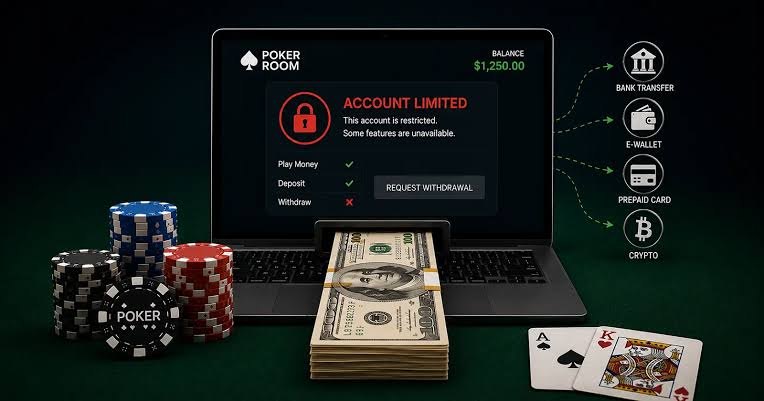
For professional players, high-volume grinders, and those who depend on poker winnings for regular income, withdrawal restrictions can create more complicated financial pressures.
An online poker player could have sufficient funds in a Binance account to cover a planned tournament entry but still be unable to move the cryptocurrency to a poker site's wallet.
Likewise, a player withdrawing Bitcoin winnings to a personal wallet may encounter difficulties converting those funds into local currency if their preferred exchange is temporarily unavailable.
The situation could be particularly disruptive during major online poker tournament series, where players may need access to substantial bankrolls within relatively short periods.
However, the actual impact depends on how individual poker sites process payments.
A platform that accepts direct blockchain transfers without using Binance as an intermediary may continue operating normally. The same applies to players using unaffected exchanges or alternative payment methods.
There is currently no established evidence that the Binance attack has caused widespread online poker deposit or withdrawal failures.
Nevertheless, the breach introduces uncertainty at a time when cryptocurrency markets are already experiencing turbulence.
Another immediate concern is the possibility of additional security checks.
As blockchain analytics companies investigate stolen cryptocurrency, exchanges and payment providers may increase scrutiny of certain wallet addresses and transactions. Legitimate customers whose funds require additional verification could experience processing delays.
Online poker operators may also review their cryptocurrency payment partners, wallet exposure, and withdrawal procedures as a precaution.
A separate danger involves fraudulent communications.
Major cryptocurrency hacks frequently create opportunities for scammers to impersonate exchange support representatives or promote fraudulent recovery services. Poker players using digital assets should be particularly cautious about unexpected messages requesting wallet credentials, authentication codes, or transfers to supposedly secure addresses.
For now, the most important short-term issue is maintaining access to legitimate payment channels while avoiding unnecessary exposure to exchange-related disruptions.
Bitcoin Price Volatility Could Change Online Poker Bankroll Management
Beyond the immediate withdrawal problems, the Binance hack has already produced significant movements across cryptocurrency markets.
Following reports of the breach, Bitcoin fell sharply, dropping below $79,000 during the initial market reaction. Ethereum and Binance's BNB token also experienced declines as traders responded to uncertainty surrounding the attack.

According to Reuters reporting, Bitcoin subsequently reached a six-week low during the market turbulence.
For online poker players, this price volatility creates an additional financial risk unrelated to their performance at the tables.
Consider a professional poker player maintaining a bankroll worth $20,000 in Bitcoin.
A 10% decline in Bitcoin's market price would reduce the dollar value of those holdings to approximately $18,000, even if the player had not lost a single poker hand.
For high-stakes players maintaining substantially larger bankrolls, similar market movements could translate into thousands of dollars in additional gains or losses.
This creates a situation where a player may be profitable at poker while simultaneously losing money because of cryptocurrency exposure.
The effect depends heavily on how a poker platform handles deposits and balances.
For example, ACR Poker states that Bitcoin deposits are converted into US dollars, with games operating in USD. This can protect an existing poker balance from subsequent changes in Bitcoin's market price, although players may face price exposure before deposits and after cryptocurrency withdrawals.
Other cryptocurrency-focused poker environments may use different accounting structures, creating different levels of exposure to digital asset prices.
The Binance incident may encourage more poker players to reconsider whether holding large portions of their bankroll in volatile cryptocurrencies is appropriate.
Some players may prefer maintaining their playing funds in fiat-denominated accounts or dollar-pegged stablecoins to reduce fluctuations in purchasing power.
However, stablecoins introduce separate risks, including dependence on their issuers, potential wallet freezes, and the stability of the assets backing them.
The response may also vary between recreational and professional players.
Recreational players might temporarily reduce cryptocurrency deposits because of uncertainty, while professional players could focus on protecting bankroll liquidity and limiting unnecessary market exposure.
Neither outcome is guaranteed, and there is currently insufficient evidence to establish a measurable decline in online poker activity directly attributable to the attack.
What is clear is that cryptocurrency volatility creates an additional financial consideration for poker players, especially when significant portions of their capital are held outside poker accounts.
Long-Term Effects: Could the Binance Hack Transform Crypto Poker Security?
Although the short-term impact of the Binance breach may involve payment delays and market volatility, its longer-term consequences could be more important for the online poker industry.
The attack raises fundamental questions about how cryptocurrency payment infrastructure should be secured and how much exposure gambling operators should maintain to individual exchanges.
Online poker platforms accepting digital currencies may face increasing pressure to demonstrate that customer payments are handled through secure and reliable systems.
One possible development is greater diversification of cryptocurrency payment providers.
Rather than relying heavily on a single exchange or custody service, operators may seek arrangements with multiple providers to reduce the risk that one security incident disrupts deposits and withdrawals.
Poker platforms could also strengthen wallet access controls, transaction authorization procedures, and internal monitoring systems.
Such measures may include separating operational funds from longer-term reserves, requiring additional approvals for large transfers, and using independent security audits.
Transparency could become another important competitive factor.
Following the Binance incident, exchanges and other cryptocurrency businesses may face greater demands to explain their custody arrangements and demonstrate that customer assets are adequately backed.
Although proof-of-reserves reports can provide useful information, they do not independently eliminate operational, cybersecurity, or counterparty risks.
For online poker operators, providing clear information about fund protection and payment processing could become increasingly valuable when attracting cryptocurrency users.
Regulation is another area where the effects may develop over time.
Authorities have already raised concerns about the risks associated with cryptocurrency transactions and online gambling.
In its 2026 assessment of money laundering and terrorist financing risks, the UK Gambling Commission identifies cryptocurrency transactions as a significant risk factor and highlights the potential for peer-to-peer poker activity to facilitate illicit transfers.
The Binance breach could reinforce calls for stronger monitoring of cryptocurrency payment flows and more rigorous verification of funds entering gambling platforms.
This may lead some operators to introduce additional checks on wallet addresses, transaction histories, and the origin of cryptocurrency deposits.
While stronger security measures can protect legitimate users, they may also create additional administrative requirements and longer verification times.
The incident could influence how cryptocurrency-friendly poker platforms market themselves.
Previously, fast deposits, convenient withdrawals, and digital asset flexibility have been important selling points.
In the future, operators may place greater emphasis on custody arrangements, cybersecurity standards, payment-provider independence, and customer fund protection.
Ultimately, the Binance hack may accelerate the industry's movement toward more mature cryptocurrency payment infrastructure rather than reducing the demand for digital currencies altogether.
The Future of Online Poker After the Binance Hack: What Happens Next?
The coming days and weeks will be critical in determining the wider consequences of the Binance cybersecurity incident.
The first major question is how much of the affected cryptocurrency can ultimately be recovered.
Although approximately $3 billion has reportedly been frozen, significant assets remain outside those restrictions, and the final financial impact is not yet established.
Binance's ability to restore normal withdrawals, compensate affected customers, and publish a credible technical explanation of the attack will play an important role in rebuilding confidence.
The company's planned security review and updated proof-of-reserves reporting may also influence how investors and cryptocurrency users assess the exchange's financial resilience.
For online poker, the consequences will depend less on the headline theft amount and more on how effectively cryptocurrency payment networks continue functioning.
If Binance restores its services without prolonged disruption, the immediate effects on most poker players could be relatively limited.
However, if market instability continues or exchanges introduce more restrictive security procedures, cryptocurrency users may face a longer period of uncertainty.
Poker operators could respond by expanding the range of supported payment methods, improving withdrawal flexibility, or reducing dependence on individual cryptocurrency service providers.
Players, meanwhile, may increasingly distinguish between three separate risks: losing money while playing poker, losing purchasing power through cryptocurrency price movements, and losing access to funds because of problems at an exchange or payment provider.
These risks require different approaches to bankroll management.
Maintaining reasonable liquidity, understanding the terms of cryptocurrency withdrawals, and carefully evaluating where funds are stored may become increasingly important for regular online poker players.
Self-custody wallets can reduce dependence on centralized exchanges, but they also require users to protect their own private keys and recovery information. They are not automatically safer for everyone.
Similarly, moving funds into stablecoins can reduce exposure to Bitcoin price swings without eliminating payment, issuer, or custody risks.
The Binance breach could also strengthen demand for poker platforms that offer reliable traditional banking options alongside cryptocurrency payments.
Rather than replacing conventional payment systems, the future of online poker may involve a broader combination of digital assets, fiat currencies, and regulated payment services.
There is little evidence at this stage that the incident will permanently reduce interest in Bitcoin poker or cryptocurrency gambling. Digital currencies continue to offer useful payment functionality, and the blockchain networks themselves have not necessarily been compromised by the failures of a centralized exchange.
Nevertheless, the scale of this attack is difficult to ignore.
With more than $5.6 billion initially reported stolen, approximately $6.3 billion now estimated to have been affected, and roughly $1.45 billion in Bitcoin involved, the Binance hack represents a major test of confidence in cryptocurrency infrastructure.
For online poker players and operators, the central lesson may extend beyond the security of any single exchange.
The industry must increasingly consider what happens when the financial systems supporting cryptocurrency deposits and withdrawals experience major failures.
In the immediate future, the priority will be restoring normal payment access and limiting uncertainty for customers.
Over the longer term, the breach could accelerate improvements in cryptocurrency custody, payment security, regulatory compliance, and bankroll protection.
The future of crypto poker is unlikely to be decided by the Binance hack alone. However, the incident may become a turning point in how online poker sites and their players evaluate the security, reliability, and financial risks of cryptocurrency payments.
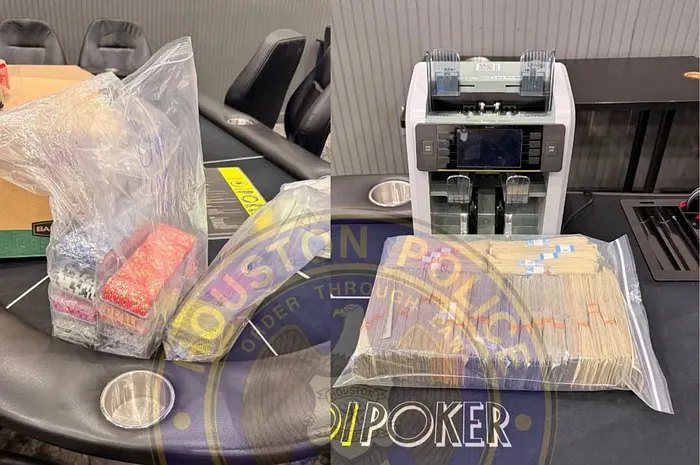
Poker has also its own regulation issues as we saw recently $118K seized in a police action, read more about it here.