From Four Cards to Five
For years, No-Limit Hold’em was the language everyone spoke.
It was the game on television, the game in the movies, the game that turned quiet accountants, college kids, and weekend gamblers into amateur philosophers of aggression and timing. Two cards, five community cards, one clean decision tree that looked simple enough from the outside but could become brutally complex under pressure.
Then Pot-Limit Omaha grew louder.
Four cards felt like freedom. More draws, bigger pots, more action. Players who had grown tired of folding ace-nine offsuit for two hours found themselves staring at double-suited rundowns, wrap draws, nut flush blockers, and turns that changed everything. Omaha was not just poker with more cards. It was poker with more weather.
But eventually, even four cards were not enough.
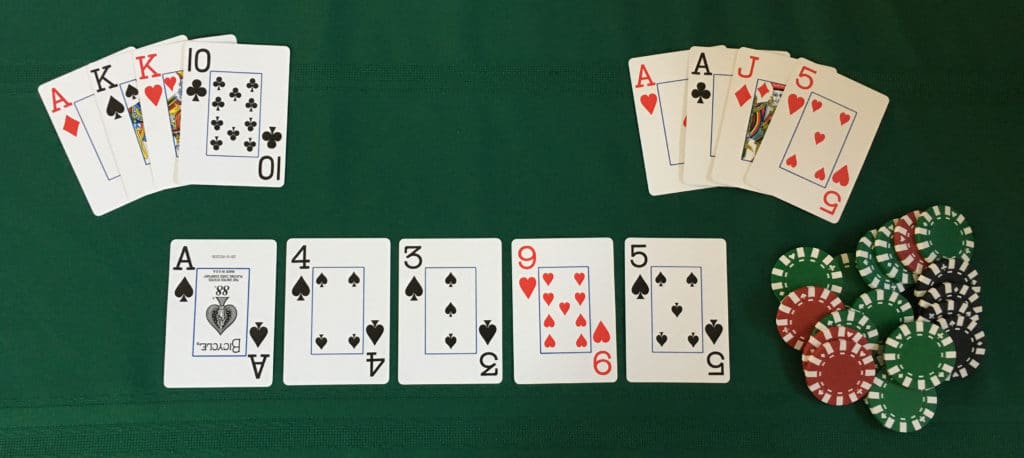
Somewhere in the private cash rooms, behind unmarked doors and in luxury apartments where the chips were heavy and the coffee arrived in porcelain cups, a new favorite began to spread: PLO5.
Five-card Pot-Limit Omaha did not enter poker culture politely. It crashed through the side door carrying a stack of action. It offered players one extra card, and that one card changed the entire personality of the game. Suddenly, every hand looked playable. Every flop seemed connected to someone. Every turn card threatened to detonate the pot.
For players who wanted calm, PLO5 was chaos.
For players who wanted gambling, it was perfect.
The Private Game Engine
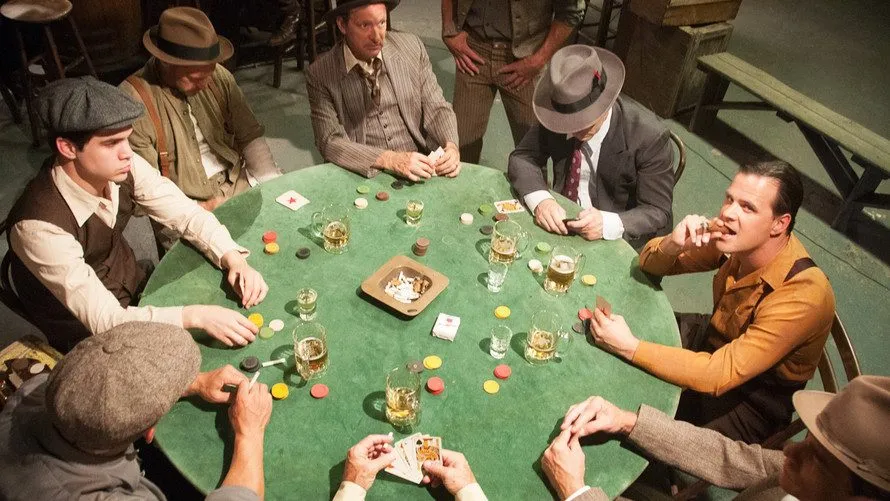
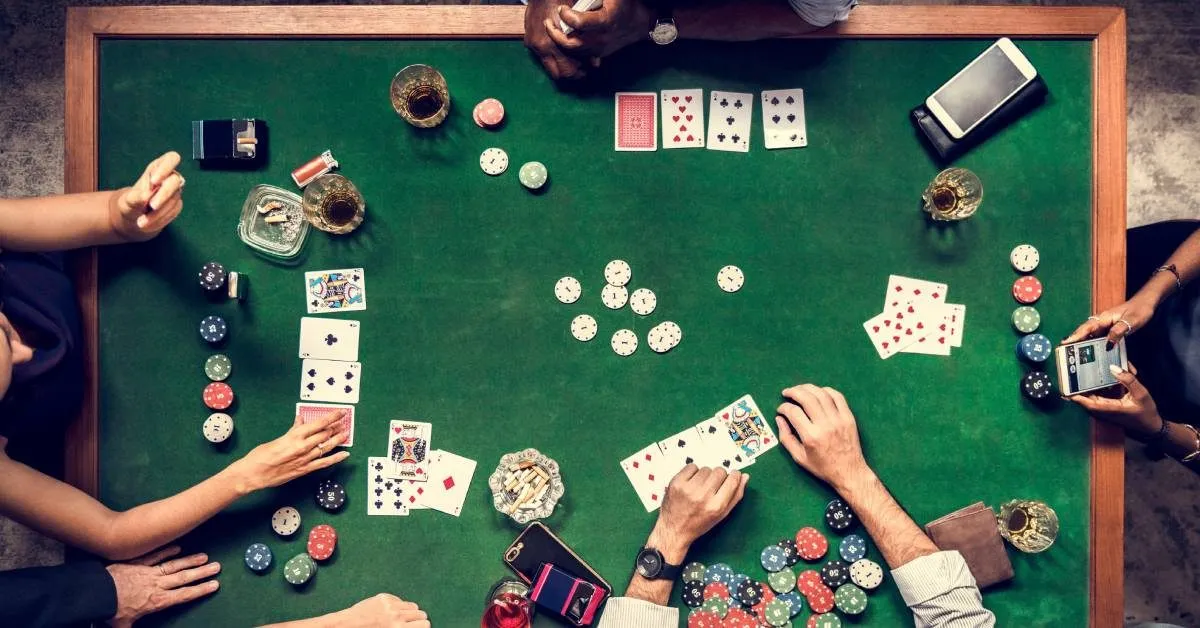
Private cash games have always shaped poker differently than casinos and tournaments do.
In public cardrooms, poker must be orderly. There are rules, floors, waiting lists, rake structures, and a certain rhythm that keeps everything moving. But private games are social ecosystems. They run on trust, invitations, personalities, and action. The best player is not always the most important person in the room. Sometimes the most important person is the one who keeps the game fun.
That is one reason PLO5 found such fertile ground in private games.
A private Hold’em game can become predatory very quickly. The weaker players lose too cleanly. They get three-bet, continuation-bet, check-raised, and slowly squeezed by people who have studied solver outputs and understand range construction better than they understand small talk.
PLO5 softens that feeling.
Not because it is easier, exactly. In many ways, it is more complicated. But it feels more democratic. A recreational player can look down at five cards and see possibility. Two suits, connected ranks, a pair, a gap, a dream. Even when the hand is technically flawed, it rarely feels dead.
That feeling matters.
In private games, the health of the table depends on players believing they have a reason to continue. PLO5 gives everyone a reason. The businessman who hates folding can splash around. The gambler who wants to chase big equity can chase. The pro still has an edge, but the edge is buried under volatility, multiway pots, and shifting equities that make no one feel completely safe.
The game creates stories. Aces get cracked. Bottom set turns into a full house. A dominated flush draw becomes a straight flush sweat. Someone wins a pot so large that everyone at the table remembers it three sessions later.
Private games do not merely tolerate that kind of drama. They feed on it.
The Illusion of Having Everything
The first seduction of PLO5 is that almost every hand appears to contain a future.
In Hold’em, most hands are obviously trash. In four-card Omaha, players learn that many beautiful-looking hands are traps. In PLO5, the trap becomes even prettier.
Five cards create combinations everywhere. A hand like ace-king-jack-ten-eight double-suited can make a player feel invincible before the flop. Even weaker hands can appear rich with backup plans. There is always a straight draw hiding somewhere, always a flush possibility, always some strange two-pair route to survival.
But PLO5 punishes casual optimism.
Because everyone has five cards, the average winning hand becomes stronger. Second-best holdings become expensive. Non-nut flushes become dangerous. Weak full houses can become bluff-catchers rather than monsters. A straight on a paired board can feel like a luxury car parked on train tracks.
This is where the serious PLO5 players separate themselves.

If you are looking for a site to play poker and want a good rakeback deal, you should check out Champion Poker, as it offers flat rakeback of up to 30%.
They understand that the game is not about making hands. Everyone makes hands. The game is about making hands that can survive. Nut potential becomes king. Position becomes even more valuable. Blockers matter. Redraws matter. Being able to apply pressure when ranges are capped becomes essential.
Yet the beauty of PLO5 is that theory never fully sterilizes it.
Even a disciplined player can be dragged into the storm. Stacks are deep. Pots are multiway. Equity runs close. The correct decision can still lead to a brutal result. That combination, skill wrapped in volatility, is exactly why private games love it.
The weaker players get action. The stronger players get edge. The table gets noise.
Bomb Pots and the Casino Experiment
While PLO5 was growing in private cash games, another action format was spreading across casino floors: the bomb pot.
A bomb pot begins with everyone putting in a set amount before the cards are dealt. No preflop betting. No isolation. No waiting for premium hands. Everyone goes straight to the flop, and suddenly the entire table is involved.
The appeal is obvious.
For one hand, there is no folding before the fun starts. The tight player is forced into the mud. The bored player wakes up. The dealer spreads a flop, sometimes two boards, and the room leans forward.
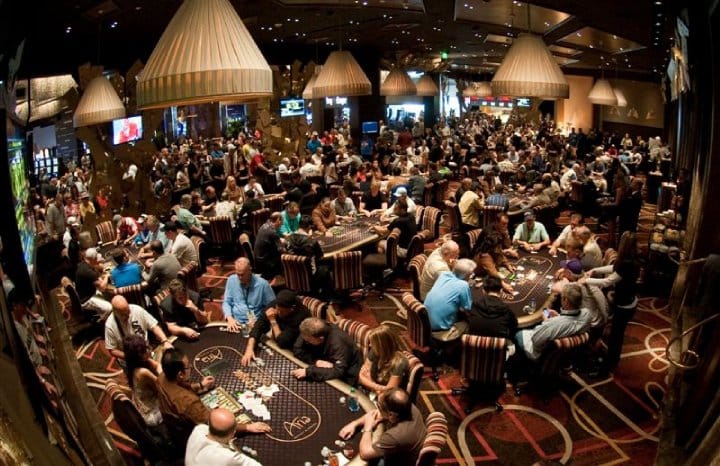
Bomb pots are especially natural in Omaha formats because Omaha already thrives on shared chaos. When casinos began introducing bomb pots into cash games, they were not just adding a novelty. They were giving public poker rooms a taste of the private-game atmosphere: bigger pots, more laughter, more groans, more players emotionally invested in a single hand.
PLO bomb pots became especially popular because they created immediate tension. With multiple players seeing the flop and so many cards in play, equities ran wild. A player could flop the nuts on one board and be drawing thin on another. Someone could have a monster draw that looked like a science project. The pot could grow from harmless to absurd in a single betting round.
Casinos noticed something important: bomb pots kept games alive.
A slow table can become restless. Players leave when they get bored, and boredom is the enemy of the poker room. Bomb pots interrupt the grind. They create scheduled explosions. Even players who prefer traditional poker often enjoy the occasional forced gamble because it breaks the rhythm.
In that sense, bomb pots and PLO5 come from the same appetite. Modern cash-game players increasingly want poker that feels less like waiting and more like participating.
The Future Belongs to Action
The rise of PLO5 says something larger about where live poker has been moving.
Players still respect skill. They still study. They still argue about ranges, blockers, rake, variance, and bankroll requirements. But many of them also want a game that feels alive. They want hands that create conversation. They want sessions where one orbit can change the entire night.
PLO5 delivers that feeling better than almost any mainstream poker variant.
It is not replacing Hold’em. Hold’em is too elegant, too established, and too deeply embedded in tournament culture to disappear. But in the cash-game world, especially in private rooms and action-heavy casino environments, PLO5 has become the game people whisper about before asking, “How big is it playing?”
That question matters because PLO5 often plays bigger than the blinds suggest. A $5/$10 PLO5 game can behave like a much larger Hold’em game once straddles, deep stacks, and multiway pots enter the picture. Add bomb pots, and the game can become a financial roller coaster.
For some players, that is the warning.
For others, it is the invitation.
The popularity of PLO5 is not difficult to understand once you have watched a table play it. Nobody looks comfortable for long. Nobody is completely out of danger. Chips move in waves. Players laugh after losing pots they would complain about in Hold’em. The game makes disaster feel communal.
That may be its greatest trick.
PLO5 gives poker back some of its old smoke-filled uncertainty, even in rooms with bright lights, automatic shufflers, and players wearing noise-canceling headphones. It reminds people that poker is not only a contest of precision. It is also a contest of nerve, appetite, and timing.
And when the casino dealer announces the next bomb pot, everyone antes, everyone looks up, and for one hand, at least, nobody gets to sit on the sidelines.
If you want to know how to improve your poker skills step-by-step, you can read more about it here!