Every summer in Las Vegas, thousands of poker players walk into the World Series of Poker Main Event believing, quietly or loudly, that this could be their year. Some arrive with bracelets already shining on their wrists. Some arrive after satellite wins, red-eye flights, borrowed confidence, and years of home-game dreams. Some have studied solvers until sunrise. Others still trust instinct, table feel, and the same lucky hoodie they wore when they first discovered Texas Hold’em.
But the WSOP Main Event does not care how anyone got there.
It only asks one question, again and again, over long days, deeper nights, and countless hands: can you keep making good decisions when everything around you is trying to make you emotional?
That is the secret at the heart of how to find success in WSOP Main Event. It is not only about winning coin flips. It is not only about knowing when to three-bet light, defend the big blind, continuation bet, or apply ICM pressure near the money bubble. Those things matter, of course. In the modern poker world, technical skill is the price of admission. But the Main Event is something larger than a normal tournament. It is a marathon disguised as a card game. It tests memory, discipline, stamina, ego, bankroll management, emotional control, and the ability to survive a thousand small storms without losing yourself.
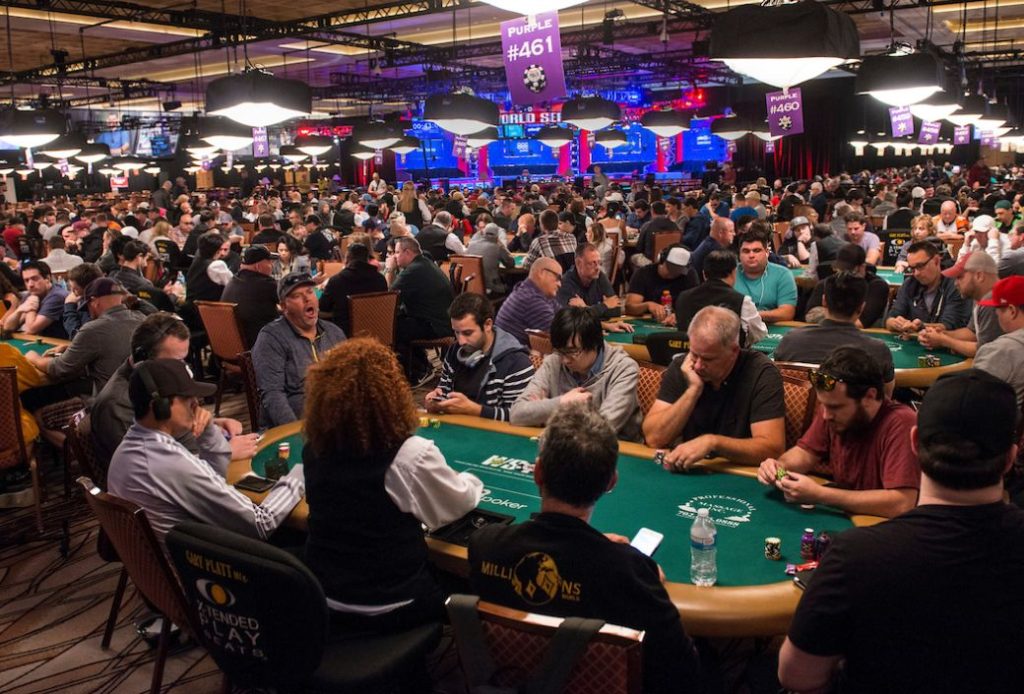
On Day 1, the room feels almost too big to understand. Tables stretch in every direction. Chips shuffle like rain on rooftops. Dealers call out seat changes. Players glance at screens, stacks, cards, opponents, and dreams. Somewhere in that crowd is the future champion, but nobody knows who it is yet. The eventual winner might be sitting quietly behind sunglasses. They might be laughing with strangers. They might be folding hand after hand, invisible to everyone.
That is the first lesson. Success in the WSOP Main Event often begins invisibly.
The First Level Is Not the First Battle
A player named Daniel once arrived at the WSOP Main Event with a simple plan: survive the first day with a playable stack. He was not famous. He had no rail, no patches, no cameras following him. He had qualified through a satellite and spent the night before the tournament staring at the ceiling of his hotel room, imagining pocket aces, brutal rivers, televised bluffs, and the impossible feeling of bagging chips.
When he sat down, his hands felt slightly too alive. Every chip he touched seemed heavier than it should. Across from him was a retired businessman in a cowboy hat. Two seats over sat a young pro with perfect posture and no wasted movements. At the end of the table, a woman in a black hoodie stacked her chips with mechanical precision. Daniel looked around and realized that the WSOP Main Event was not a fantasy anymore. It was a table. It was nine players. It was blinds, antes, ranges, and decisions.
The first mistake many players make in the WSOP Main Event is believing they need to win it immediately. They try to build a mountain of chips before they have even understood the table. They bluff players who are not ready to fold. They call down because they do not want to be pushed around. They turn early levels into ego contests.
Daniel almost did the same. In the second level, he opened ace-queen suited from middle position and got called by the young pro on the button. The flop came queen-high with two clubs. Daniel bet, the pro called. The turn paired the board. Daniel bet again, larger this time, and the pro called again. The river completed a backdoor straight draw. Daniel stared at the pot, then at his opponent, then at the chips in front of him.
He wanted to bet. He wanted to prove he was not scared. He wanted to win a big pot in the WSOP Main Event and feel like he belonged.
Instead, he checked.
The pro bet big. Daniel folded after two minutes of discomfort. The young pro quietly slid his cards into the muck. No show. No drama. Daniel never learned whether he had been bluffed, value-owned, or spared by his own caution. But he learned something more useful: in the Main Event, not knowing is part of the game.
Finding success in the WSOP Main Event begins with accepting uncertainty. You will fold the best hand sometimes. You will call and be wrong sometimes. You will make a technically sound decision and still lose the pot. A great Main Event strategy is not built around avoiding pain. It is built around making decisions that remain profitable and defensible over time.
The early levels are not the place to panic. With deep stacks and slow structure, the WSOP Main Event rewards patience more than urgency. Players have room to maneuver, gather information, and choose better spots. That does not mean playing scared. It means playing with purpose. It means understanding that survival is not passivity, and aggression is not recklessness.
By dinner break, Daniel had fewer chips than he started with, but he was calmer. He knew who defended too wide, who overvalued top pair, who hated folding rivers, and who seemed capable of putting him in miserable spots. He had not won anything yet, but he had collected something just as valuable: information.
In the WSOP Main Event, information compounds like interest.
Reading People When the Cards Go Quiet
Poker strategy has changed. Any serious article about how to find success in WSOP Main Event has to acknowledge that modern players study differently than previous generations. They know preflop charts. They understand stack depth. They think in ranges instead of single hands. They discuss blockers, node locking, bet sizing, minimum defense frequency, and expected value.
But the Main Event still happens between humans.
Cards are dealt by hand. Chips are pushed by hand. Fear appears in breathing, timing, posture, speech, and silence. Even the most solver-trained player must sit under lights, make decisions without perfect information, and handle the emotional weight of a tournament that can change a life.
On Day 2, Daniel found himself at a new table with a player who talked constantly. The man told stories about bad beats, sports bets, restaurants, ex-wives, crypto, and a bracelet he almost won years ago. At first, Daniel found him distracting. Then he noticed the pattern. When the man was relaxed, he told long stories during hands. When he was strong, he became suddenly brief. When he was bluffing, he asked questions.
The first time Daniel used this information, it happened in a pot that looked ordinary from the outside. The talkative player opened from the cutoff. Daniel called from the big blind with pocket sevens. The flop came king-nine-four rainbow. Daniel checked. The man bet small and continued talking about a steakhouse downtown. Daniel called. The turn was a two. Daniel checked again. The man bet larger and stopped mid-story.
Daniel felt the table change. The silence was too clean.
He folded.
If you are looking for a site to play poker and want a good rakeback deal, you should check out Champion Poker, as it offers flat rakeback of up to 30%.
A few hours later, Daniel saw him show down pocket kings in a nearly identical line. The fold had been right. It had saved chips. It had also reminded Daniel that poker success in the WSOP Main Event is rarely about one heroic move. It is about saving a few blinds here, gaining a few blinds there, and staying mentally present long enough for bigger opportunities to arrive.
Reading people does not mean guessing based on movie-style tells. It means paying attention to repeated behavior. How does a player handle value hands? How do they handle missed draws? Do they protect their cards differently when interested? Do they look at chip stacks before bluffing? Do they make quick calls with medium-strength hands but pause with monsters? Do they talk because they are comfortable, or because they are trying to become comfortable?
These observations are not replacements for sound poker fundamentals. They are additions. A player who wants success in WSOP Main Event needs both technical discipline and live awareness. The best Main Event players understand that every table has its own weather. Some tables allow constant stealing. Some require patient value betting. Some are full of recreational players who call too much. Others are full of professionals waiting for someone to lose patience.
Daniel’s breakthrough hand came late on Day 2. He picked up ace-king in the small blind after a loose player opened from late position. Daniel three-bet. The big blind folded. The opener called. The flop came ace-ten-six with two spades. Daniel bet small. The opponent called quickly. The turn was a blank. Daniel checked.
A year earlier, Daniel would have bet again automatically. But now he had watched this opponent stab whenever checked to. As expected, the man bet. Daniel called. The river paired the ten. Daniel checked again. His opponent shoved.
The pot was large enough to hurt. The shove looked polarizing. Daniel replayed the hand carefully. The quick flop call. The turn bet after weakness. The river shove on a card that reduced the number of strong ten-x combinations. The missed spades. The missed straight draws. The player’s earlier impatience.
Daniel called.
His opponent showed queen-jack of spades. Missed everything.
For the first time, Daniel had more than double the starting stack. Not because he forced the tournament to reward him, but because he waited until his logic, reads, and courage all pointed in the same direction.
The Main Event Rewards Emotional Endurance
By Day 3, the WSOP Main Event stops feeling like a novelty and starts feeling like a test of identity. The field shrinks. The money bubble approaches. Every elimination matters. Players begin checking payout screens. Short stacks look for spots. Big stacks become dangerous. Medium stacks suffer the most, because they have enough chips to dream and enough to lose.
Daniel noticed that his thoughts had become louder. When he won a pot, he imagined a deep run. When he lost one, he imagined flying home and explaining what happened. Neither thought helped him play better.
This is where many Main Event dreams collapse. Not because a player lacks poker knowledge, but because they cannot stay emotionally neutral when the stakes become real. The WSOP Main Event is famous because of its prize pool, history, prestige, and world championship status. Those same qualities create pressure. A normal tournament mistake becomes a story you might remember for years. A river decision can feel bigger than the math in front of you.
Success in the WSOP Main Event requires emotional endurance. That means eating properly, sleeping when possible, avoiding unnecessary alcohol, taking breaks seriously, and understanding that the brain is part of the bankroll. Fatigue changes ranges. Stress changes bet sizing. Hunger turns close folds into irritated calls. Ego turns disciplined poker into performance.
Daniel learned this the hard way near the bubble. He lost a large pot with kings against a flopped set and felt anger rise through his chest. The next hand, he looked down at queen-ten suited and nearly opened from early position, not because it was a great spot, but because he wanted his chips back.
He folded.
It was a small fold. Nobody noticed. No commentator would ever mention it. But for Daniel, it was one of the most important hands of his tournament. He had interrupted tilt before it became action.
The Main Event is full of invisible victories like that. Folding when embarrassed. Checking when greedy. Calling when afraid. Sleeping instead of reviewing every lost hand until 3 a.m. Letting go of a bad beat before the next orbit. Success comes from protecting your decision-making process as fiercely as you protect your chip stack.
Near the money bubble, Daniel watched players tighten. Some wanted desperately to cash. Others attacked that fear without mercy. A big stack opened almost every hand. Daniel understood the situation. The correct adjustment was not simply to wait for aces. The correct adjustment was to identify which players were abusing the bubble too aggressively and which stacks could not fight back.
Then came a defining spot. A big stack opened from the hijack. Daniel was on the button with pocket jacks. Behind him were two shorter stacks. He could call and play postflop. He could three-bet small and invite pressure. He could move all in and risk his tournament life.
The money bubble was close enough that busting would hurt badly. But Daniel also knew that playing only to cash could cost him the chance to build a winning stack. The WSOP Main Event does not reward fear forever. At some point, a player must choose ambition with discipline.
He shoved.
The blinds folded. The big stack asked for a count, smiled, and eventually folded ace-nine face up. Daniel stacked the chips without celebration. A few hands later, the bubble burst. The room erupted. Players hugged, clapped, called family, and exhaled days of pressure.
Daniel had cashed the WSOP Main Event.
But he also knew the truth: cashing was not the finish line. It was simply proof that he had survived long enough for the next tournament to begin inside the same tournament.
Turning Survival Into a Championship Mindset
After the bubble bursts, the WSOP Main Event changes again. Some players loosen up because they have achieved their first goal. Others become more dangerous because they no longer fear leaving with nothing. The pay jumps grow. The cameras appear more often. The dream of the final table becomes less abstract.
This is where success in WSOP Main Event demands a championship mindset. A player must stop asking, “How do I avoid busting?” and start asking, “What is the best decision now?” Sometimes that decision is conservative. Sometimes it is aggressive. The difference is that fear no longer gets to vote.
Daniel did not win the Main Event. Most players do not. That is the honest reality of a tournament with thousands of entries and enormous variance. His run ended late on Day 5 when he four-bet shoved ace-king suited into queens and failed to improve. He stood up, shook hands, and felt the strange emptiness that comes when a dream ends in a mathematically ordinary way.
But as he walked away from the table, he did not feel defeated. He had played the best poker of his life under the most pressure he had ever faced. He had learned that the WSOP Main Event is not conquered by wanting success more than everyone else. Everyone wants it. It is conquered, or at least approached, by preparing better, observing more carefully, managing emotion, adjusting to table dynamics, and staying loyal to good decisions even when the outcome is cruel.
For anyone wondering how to find success in WSOP Main Event, the answer begins long before the first hand is dealt. Study tournament poker strategy. Understand deep-stack play, short-stack push-fold ranges, blind versus blind dynamics, continuation betting, river bluff catching, and ICM pressure. Build physical stamina. Practice live reads. Review hands honestly. Learn to play against both professionals and recreational players. Prepare your bankroll so the buy-in does not terrify you into bad decisions. Accept variance before it arrives.
Once seated, treat every level as part of a larger story. In the early stages, gather information and avoid unnecessary disasters. In the middle stages, accumulate chips through selective aggression and table awareness. Near the bubble, understand pressure instead of simply fearing it. After the bubble, keep playing to make the best possible decision rather than merely laddering. Deep in the tournament, recognize that every opponent has also survived something, and nobody left is there by accident.
The WSOP Main Event is the dream because it feels impossible. That is also what makes it beautiful. A single player can enter a sea of hopefuls and, hand by hand, decision by decision, move closer to poker immortality. The path is never clean. It includes bad beats, missed value, nervous folds, brave calls, sleepless nights, and pots that replay in the mind forever.
Success does not always mean winning the bracelet. Sometimes it means playing with clarity in the biggest event of your life. Sometimes it means lasting longer than fear expected. Sometimes it means discovering that you are capable of sitting in the world championship arena and making decisions that belong there.
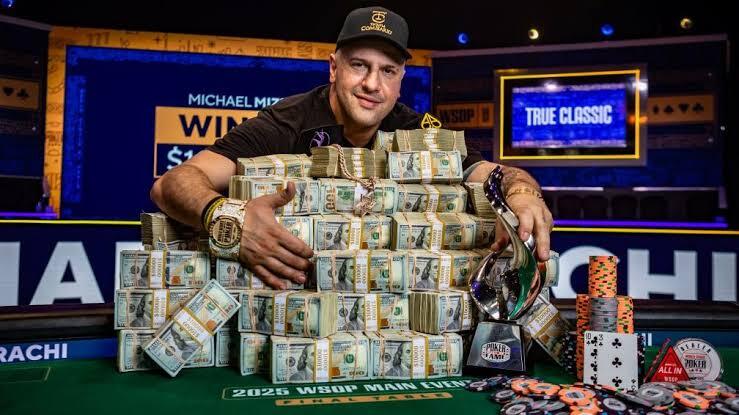
And sometimes, for one player each year, it means reaching the final river, watching the last card fall, and realizing that every disciplined fold, every patient hour, every studied spot, and every controlled breath has led to the one thing every poker player dreams about.
The title.
The bracelet.
The unforgettable answer to how to find success in WSOP Main Event.
If you are an online poker grinder, you may be interested in bumhunting, and you can read more about it in our aticle by clicking here.