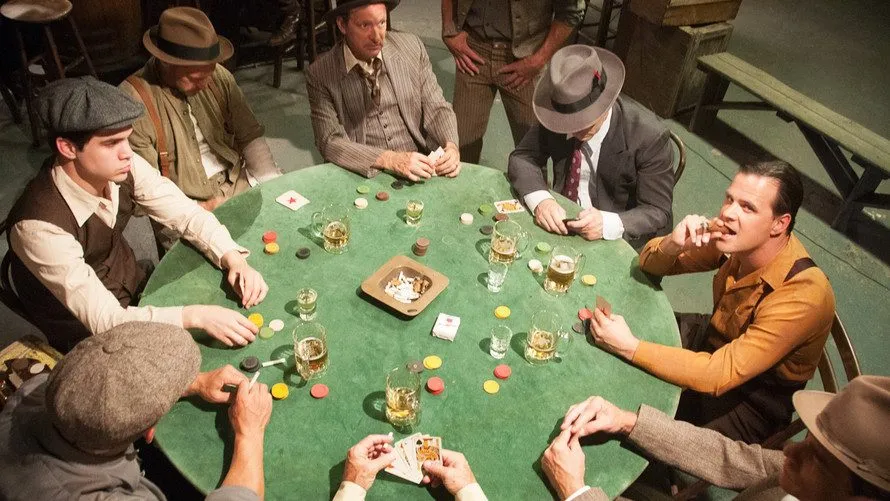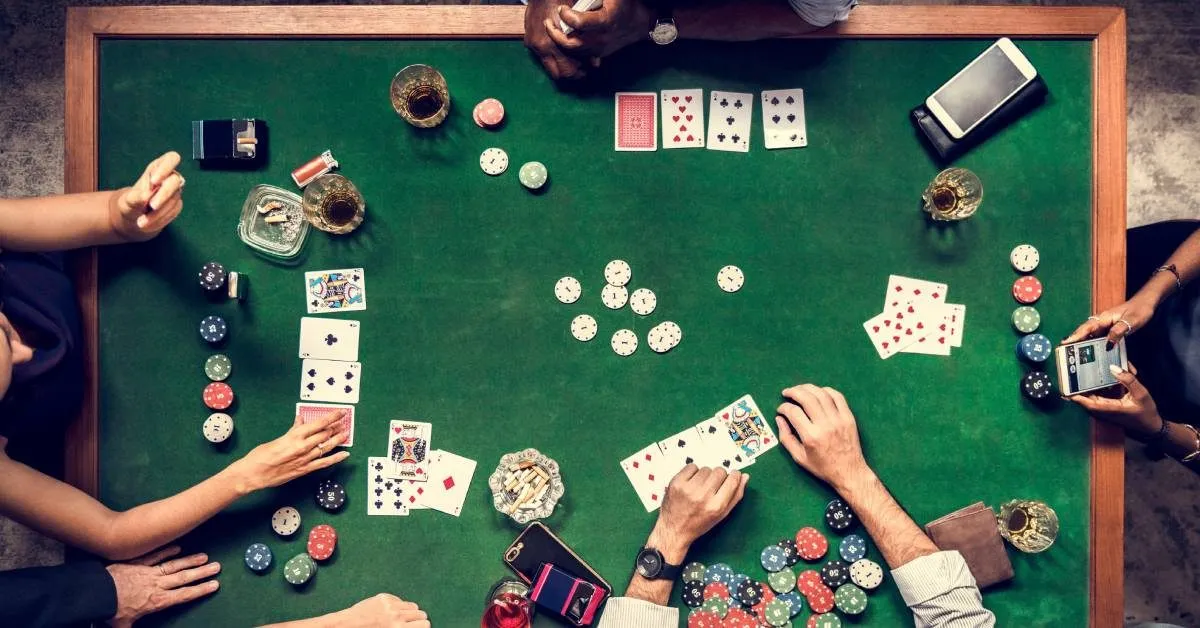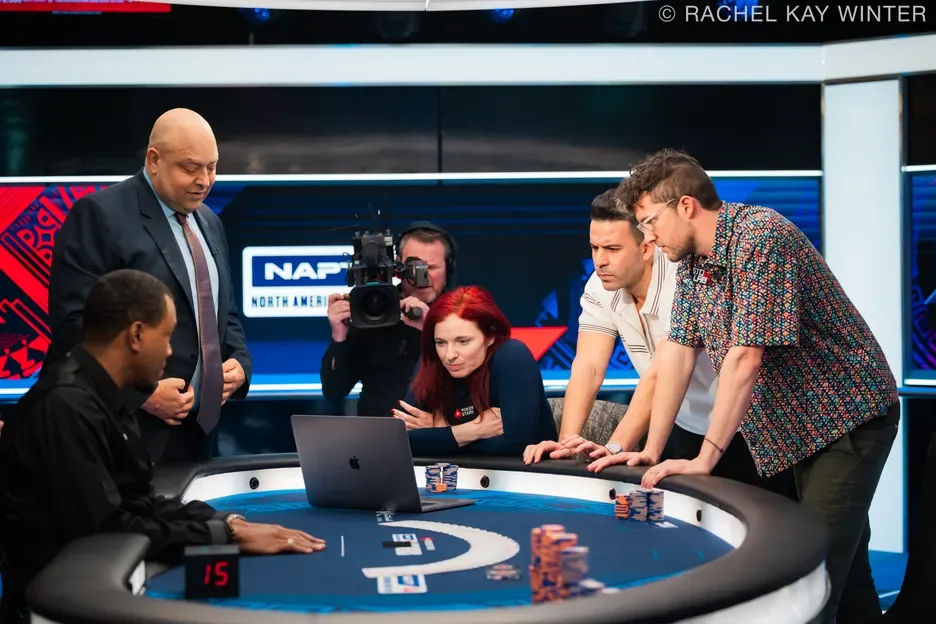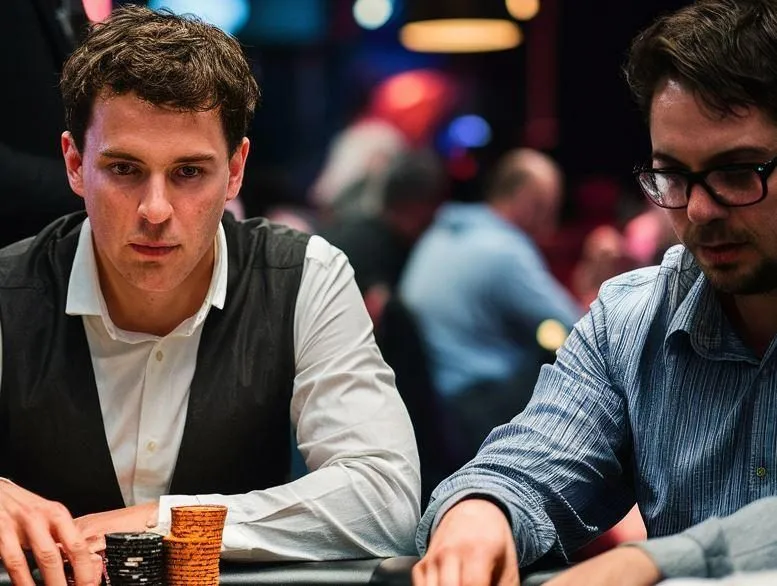
The poker room never truly sleeps. Even at three in the morning, when the cocktail servers move slower and the conversations become softer, there is still electricity in the air. Chips click together like distant machinery. Someone laughs too loudly after dragging a pot. Another player stares at the television mounted above the table, pretending not to care about the hand they just folded.
For most players, poker is a game of cards and mathematics. They study ranges, memorize odds, and debate strategy charts online for hours. But in live poker, especially deep inside a long cash-game session, the game becomes something else entirely. It becomes human.
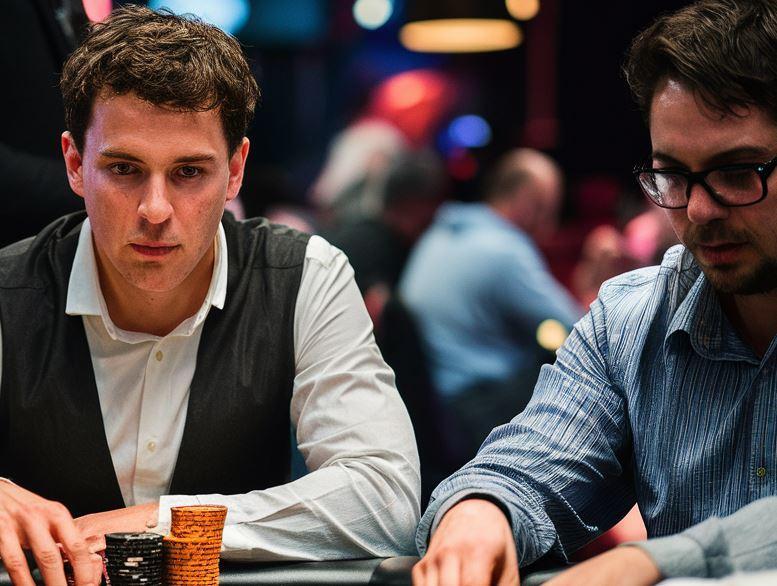
And humans leak information. That is where live poker reads begin.
A live read is not magic. It is not some Hollywood-style ability to stare into a player’s soul and instantly know whether they are bluffing. Real poker tells are smaller than that. They are patterns, inconsistencies, emotions, habits, and subtle shifts in behavior that reveal pieces of the truth. The best live players are not simply card experts; they are observers. They pay attention when nobody else does.
The fascinating part is that most players are giving away information constantly without realizing it.
The First Hour Tells You Everything
When experienced live pros sit at a new table, they usually spend the first orbit doing very little. Recreational players often mistake this for tight play or boredom, but something much more important is happening. Observation.
Before a strong live player even enters a big pot, they are already building profiles on everyone at the table. Who talks the most? Who protects their cards nervously? Who splashes chips carelessly into the pot? Who stares directly at opponents after betting? Who avoids eye contact completely?
Every detail matters because poker behavior tends to repeat itself.
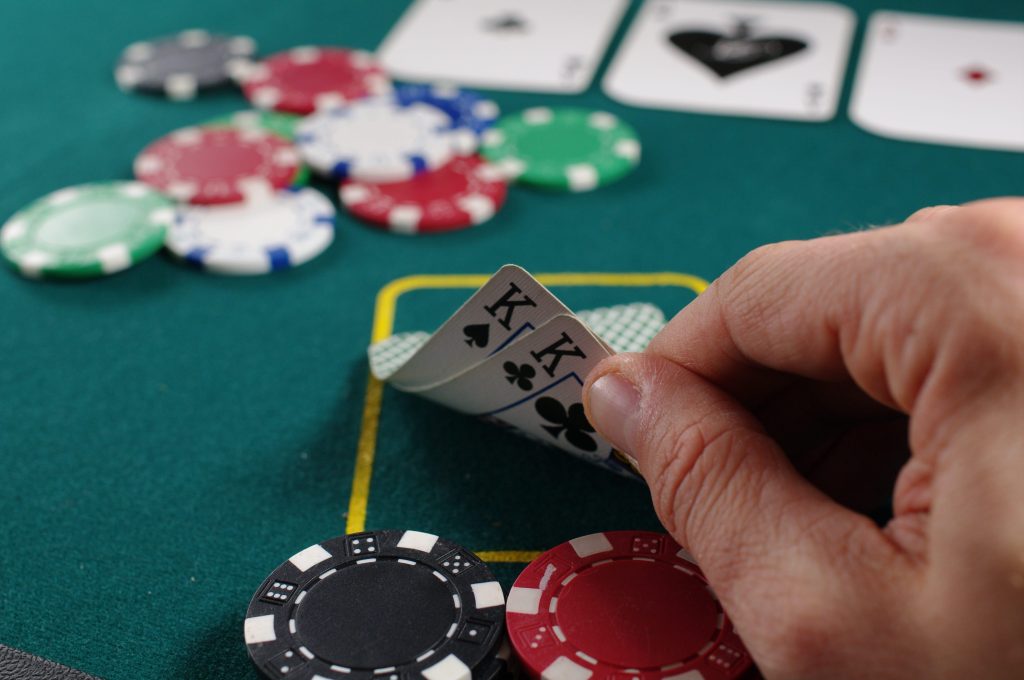
One player might only talk when they are bluffing because silence makes them uncomfortable. Another player may become completely still when holding a monster hand because they are terrified of scaring opponents away. Some players unconsciously handle chips differently depending on hand strength. Others breathe faster during pressure situations.
The key is not spotting one isolated tell. The key is identifying a baseline.
A player who always shakes while betting means nothing. A player who suddenly starts shaking after remaining calm for two hours means something.
That difference separates amateurs from elite live readers.
The Myth of the “Strong Means Weak” Tell
One of the oldest poker sayings is “strong means weak, weak means strong.” The idea is simple: when players act overly confident, they are often bluffing, while players pretending weakness frequently hold powerful hands.
There is truth in this concept, but many players apply it too mechanically. Real poker tells are rarely universal.
Imagine a middle-aged businessman in a $2/$5 cash game suddenly slamming chips aggressively into the pot while staring directly at you. A beginner may instantly think, “He’s bluffing because he looks too strong.” But context matters.
Has this player behaved emotionally all night? Is he drinking? Has he shown bluffs before? Or is this actually the first time he has displayed confidence in four hours?
Live poker reads only work when combined with player tendencies. Without context, tells become dangerous assumptions.
Professional players understand that tells are layered. Physical behavior matters, but timing, bet sizing, emotional state, fatigue, and table dynamics all matter too.
Sometimes a player’s story simply stops making sense. That is often where the real read appears.
The Eyes Reveal More Than Words
There is something deeply uncomfortable about direct eye contact in poker. Many players avoid it entirely because they fear giving something away. Ironically, the avoidance itself often becomes the tell. Strong hands frequently create stillness.
A player with the nuts often wants action to continue naturally, so they unconsciously freeze. They stop talking. They stop moving. They become statues because they fear interrupting the flow of the hand.
Bluffers, on the other hand, tend to overcompensate. Some suddenly become conversational. Others try too hard to appear relaxed. They sip drinks, shuffle chips theatrically, or glance repeatedly at opponents to measure reactions.
If you are looking for a site to play poker and want a good rakeback deal, you should check out Champion Poker, as it offers flat rakeback of up to 30%.
One of the most famous live tells involves players looking back at their chips immediately after seeing a strong flop. This happens because the brain instantly begins calculating how much value can be extracted. A player who checks the flop and then quickly looks at their stack often has connected strongly with the board.
It sounds simple, but in real-time poker, these tiny moments are easy to miss.
That is why concentration matters so much in live games. The best readers are fully present every hand, even when they are not involved.
Nervousness Does Not Always Mean Weakness
A common beginner mistake is assuming nervous players are bluffing. In reality, strong hands often create far more anxiety than weak ones. Think about it psychologically.
A bluffing player has already accepted risk. Their plan is aggressive by nature. But a player holding pocket aces in a massive pot suddenly becomes terrified of losing. The bigger the hand, the more emotionally invested they become. This is why trembling hands frequently indicate strength rather than weakness.
Many recreational players physically shake while placing bets with premium hands because adrenaline floods the body. Their heart rate rises. Their hands lose steadiness. They are not acting nervous because they are bluffing. They are nervous because they desperately want to win.
Experienced live professionals recognize this immediately.
There is an old saying among poker veterans: “The nuts are heavy.” Strong hands carry emotional weight.
Timing Tells and the Hidden Story of Speed
The speed of an action often reveals more than the action itself.
Instant checks, delayed bets, quick calls, and dramatic tanks all communicate information. The problem is that many players fake timing tells intentionally, which makes interpretation complicated.
Still, genuine timing patterns emerge over long sessions.
For example, many weak players act quickly when decisions are easy and slowly when they are uncertain. If a normally deliberate player suddenly snap-calls a large river bet, it can indicate strength because the decision required no thought.
Conversely, a long theatrical pause followed by aggression often represents weakness. The player wants to appear conflicted before committing chips.
Online poker removed much of this psychological theater from the game. Live poker still preserves it beautifully.
A player riffling chips confidently while waiting for action may suddenly stop the moment they miss a flop. Another player who routinely acts quickly might freeze entirely after making a monster hand.
These pauses create windows into thought processes. Poker is one of the few games where silence can scream.
The Danger of Fancy Reads
Many players become obsessed with finding dramatic tells. They want cinematic moments where they hero-call massive bluffs after spotting a trembling hand or nervous smile.
But strong live poker is not built on spectacular moments. It is built on consistency.
Professionals avoid relying too heavily on single physical tells because humans are unpredictable. Instead, they combine multiple factors together. Betting patterns remain the foundation. Physical behavior simply adds extra pieces to the puzzle.
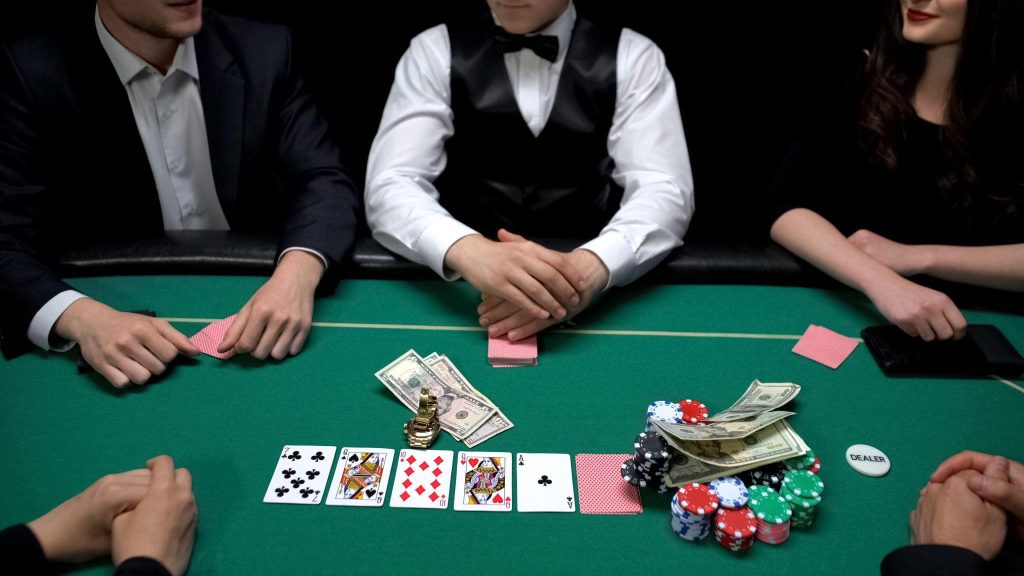
A reckless player suddenly becoming quiet may matter. A tight player making an unusually large river bet may matter. A player breathing heavily while staring at the board may matter. But none of those clues should exist in isolation.
The best live readers treat poker like detective work. Every action contributes evidence. Eventually, the full picture becomes clearer. And sometimes the strongest read is admitting you do not know.
Emotional Control Is the Ultimate Skill
There is another side to live poker reads that many players overlook. While reading opponents matters, controlling your own behavior matters even more.
Every emotional reaction at the table becomes visible eventually. Frustration after losing a pot. Excitement after turning a straight. Fear before making a big bluff. Human emotions naturally seek expression.
Elite players train themselves to remain balanced regardless of results. Their chip handling stays consistent. Their posture remains steady. Their speech patterns do not change dramatically between bluffs and value bets. This emotional discipline is exhausting.
After ten hours of live poker, fatigue begins stripping away control. Players stop monitoring themselves carefully. That is why some of the biggest mistakes happen late at night. Exhaustion magnifies tells.
A tired player who spent hours protecting their behavior may suddenly sigh before folding or start talking nervously during bluffs. The longer a session lasts, the more human everyone becomes.
Why Live Poker Still Matters
Modern poker strategy has become heavily mathematical. Solvers dominate discussions online. Players memorize optimal frequencies and balanced ranges. The technical side of poker has evolved dramatically. Yet live poker remains stubbornly human.
No computer can fully account for fear, ego, tilt, insecurity, confidence, or desperation. A wealthy businessman playing after a stressful day at work behaves differently from a young grinder chasing rent money. A retired player protecting a monthly pension thinks differently from a drunk tourist gambling for entertainment.
Live poker reads exist because emotion cannot be solved. And that is what makes the game beautiful.
Inside every hand is a hidden psychological battle. One player tries to represent strength. Another tries to detect weakness. Tiny physical reactions become meaningful because pressure changes human behavior. In the end, live poker is not really about cards at all.
It is about people. The chips, the bets, the raises, and the bluffs are simply the language they use to reveal themselves.
If you want to know about the night when poker stopped being just a game, you can read more about it here..