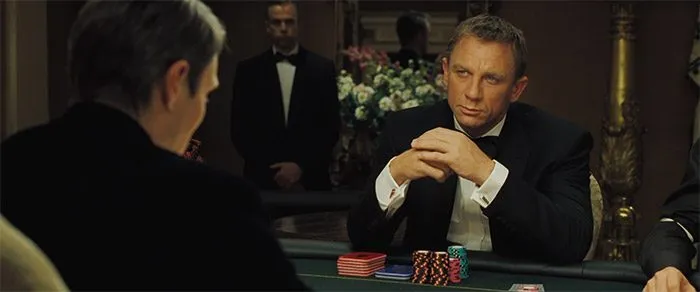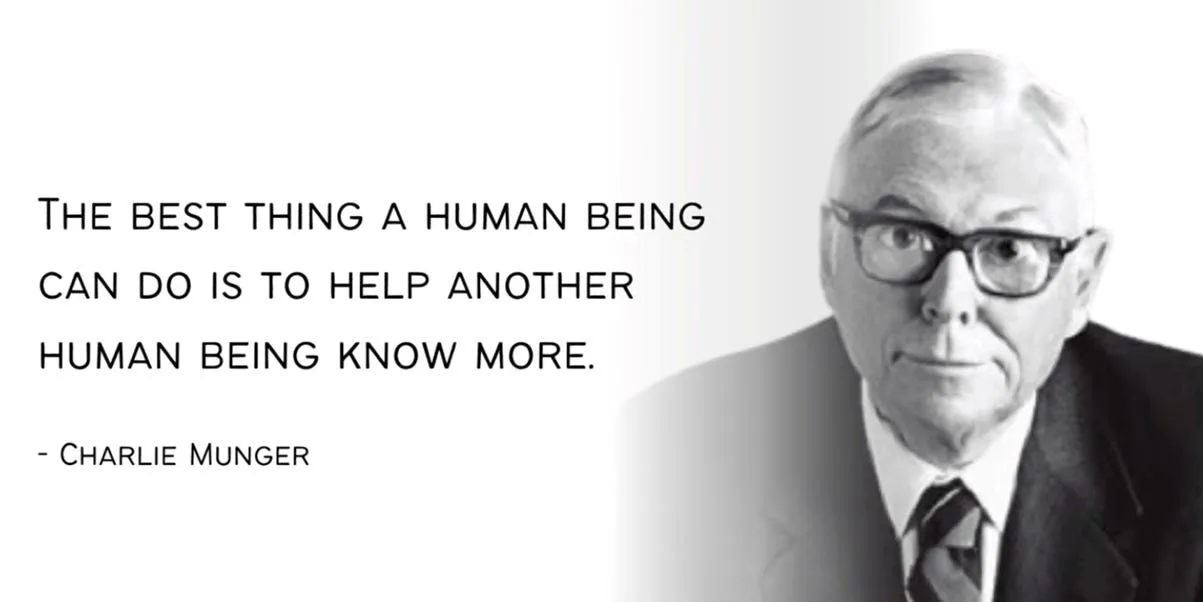
There is a shared idea between famous billionaires and investors that the core principles of life and investing can be learned through poker. The same idea was mentioned multiple times in the public speeches of Charlie Munger and Warren Buffett, and they spoke about poker with great regard.
In one of his last interviews before passing away, Munger said: “In poker, everyone is trying to mislead you — and the same is true in life. It’s easy to get too addicted to gambling against the odds, but you should only play poker when you’re one of the best at the table.”
Lessons Poker Teaches You (Investing and Life)
Nothing Valuable Comes Over Night
One of the first things you will learn when starting with poker is that you might get lucky and win some money quickly, but sooner or later, all that money could be gone. It takes time to learn the craft of poker, which you will use to consistently make money without relying on getting lucky.
This will require time and dedication, just like any endeavor that aims to improve your life.
Marathon Not a Sprint (Long Term View)
This one is similar to the first one, but while playing poker or investing, you need to learn to see the big picture and make plans or expectations on longer spans. A lot of poker players and investors are only looking forward a few months or weeks, but more experienced players will create plans and strategies to outperform and do well in spans of 5-10 years.
This is where the edge comes, and it requires discipline, focus, emotional control, and the ability to see your life in longer samples.
Compounding
Learning something or getting a new experience compounds over the years, so if you are getting 20% better in life or in poker, you will be six times better person or a poker player after 10 years of compounding knowledge and experience, which translates to over 500 % better.
In a highly competitive game like poker, getting 500% better would make you a very high-level player and potentially secure you hundreds of thousands of dollars or even millions if you are dedicated enough.
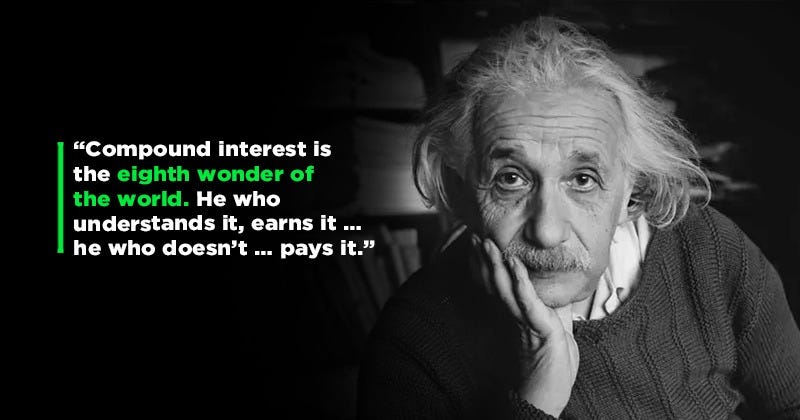
Warren Buffett calls compounding the “eighth wonder of the world,” a force that earns returns on prior returns, creating an exponential “snowball effect” for massive wealth growth over time, emphasizing that patience and starting early (even small amounts) are key to harnessing this powerful, self-reinforcing financial principle.
He notes that most of his wealth came later in life due to this long-term compounding, highlighting that time, consistency, and reinvesting earnings (not spending them) are crucial for it to work its magic, turning modest beginnings into extraordinary fortunes.
Risk Management
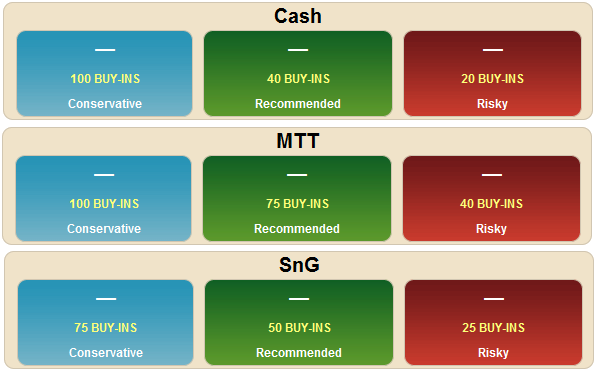
Learning about bankroll management and implementing it as you go through the stakes in poker is a great lesson for life, as you don’t want to have all eggs in the same basket, and you never want to risk going bankrupt. Going bankrupt would stop you from achieving your main goal, which is compounding over the years.
When you are younger and have fewer expenses, you can take more risks than when you already have a family.
Decision Making
Poker is one of the greatest tools to practice your process and naturally improve your decision-making. The decisions we make in life should almost always be made with a cool head and never under the influence of emotions.
Some decisions in life will be straightforward, but when a hard decision comes where it is maybe 55-45 in favor of one over another, we need to take a kind of scientific approach (in poker, we take time, think deeply about ranges, our opponents’ tendencies, blockers, timing, and other factors) to make a final decision.
Of course, we are not going to be right every time, but the point is to be right more than wrong, and once again, compound the outcomes of our decisions over the years.

Conclusion
There are many other lessons poker gives us, but some of them, like understanding variance and going through downswings knowing that upswings and better times will come, are among the most important lessons. It takes a long time to fully understand it, as you need to experience it over and over again to understand it on a deeper level than just theory.
Poker combines so many crafts (statistics, math, philosophy, psychology, economics, business..) into one game/sport, which makes it such a great learning tool, and most successful people in the world recognize it that way.
If you want to read more about overlooked poker concepts, you can read our article about planning and visualization by clicking here.